



Where everything makes sense
Located in the old Cooperative building , the permanent exhibition allows you to understand, through an overview , what the industrial colonies were, how the factory worked, what the environment was like, what life was like for those who lived and worked in the Colony and what the church that Gaudí could not finish would have been like.
The context
The industrial colonies and the Colònia Güell
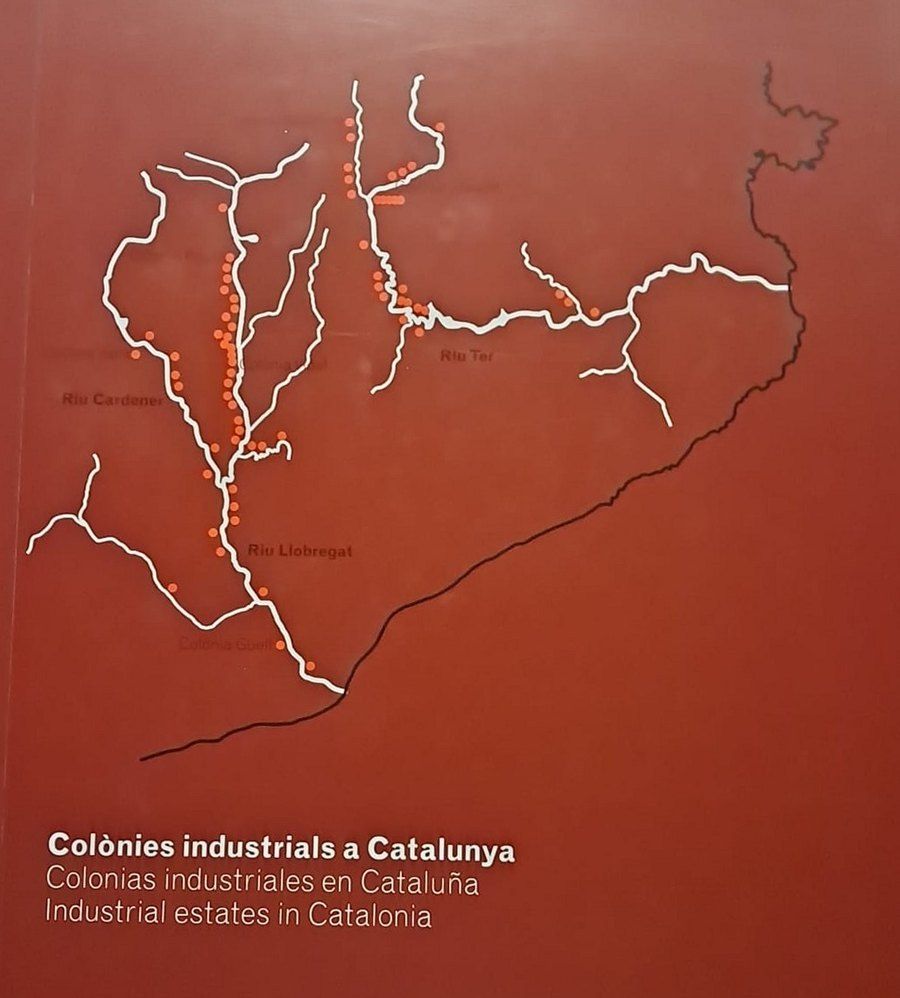
In 19th-century Catalonia, dozens of factories were established far from the city, forming industrial colonies : the factory and, around it, the houses, the school, the church and the shop, all under the initiative of the employer.
The exhibition places the Colònia Güell in that world and shows what made her differentIt was born near Barcelona and with a steam engine, production already totaled one cultural and architectural ambition Exceptional, with Gaudí and his circle. A single place to understand industrialization, urban planning and the social model of the time.
The productive heart
La Fábrica
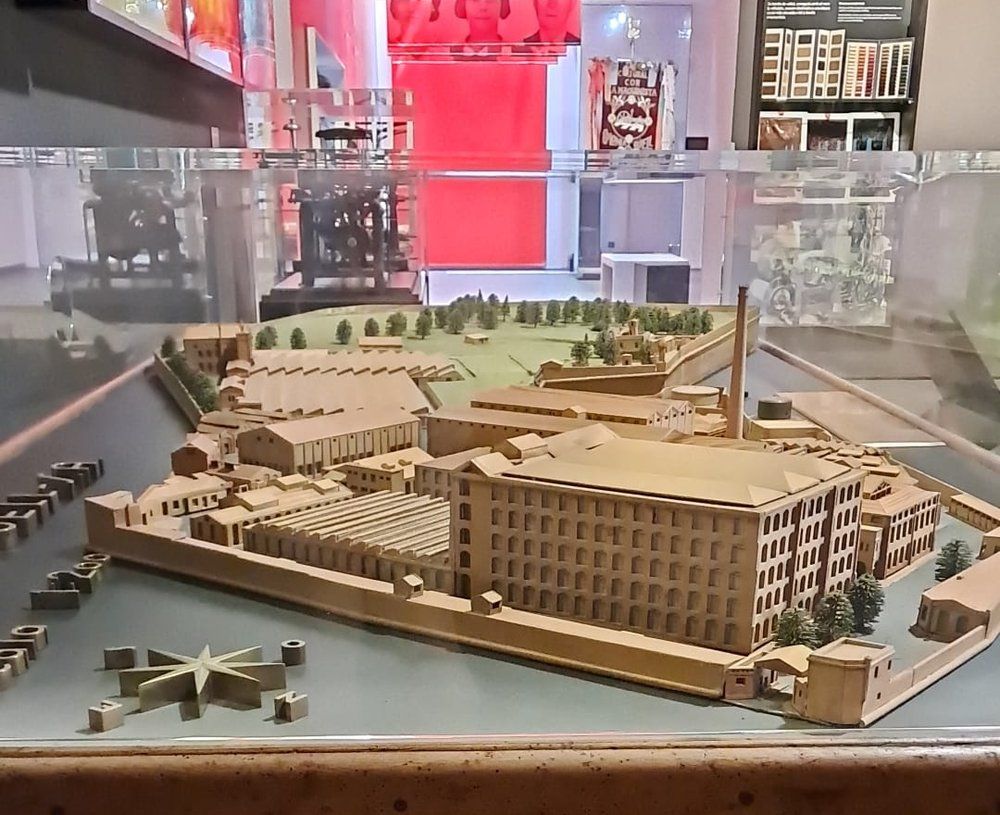
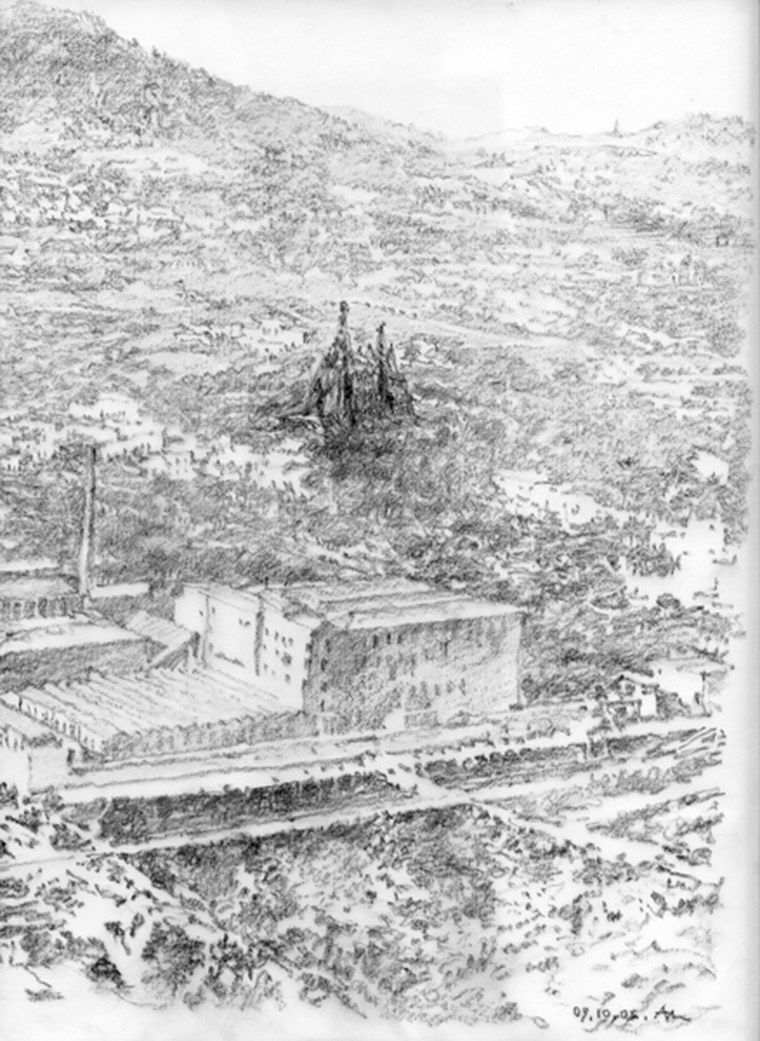
La textile factory (1890)*, designed by Ferran Alsina According to the vertical or "Manchesterian" factory model—each building representing a phase of the process—, it was the beginning of the project of the Colònia Güell.
Powered by steam and coal —not water—it transformed cotton into corduroy, velvet, and velveteen . The exhibition explains this process and the engineering of the building: iron columns, large spans, freight elevators, brick latticework in the drying rooms, and the chimney as a landmark.
* Today the factory is a private space with economic activity, not open to the public.
People
Life in the Colònia Güell
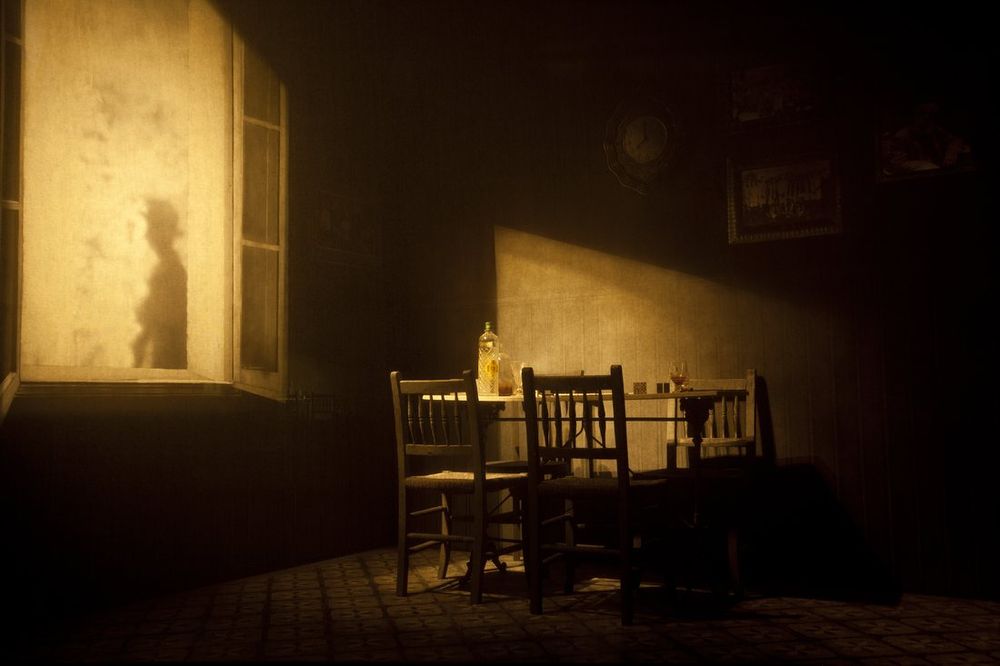
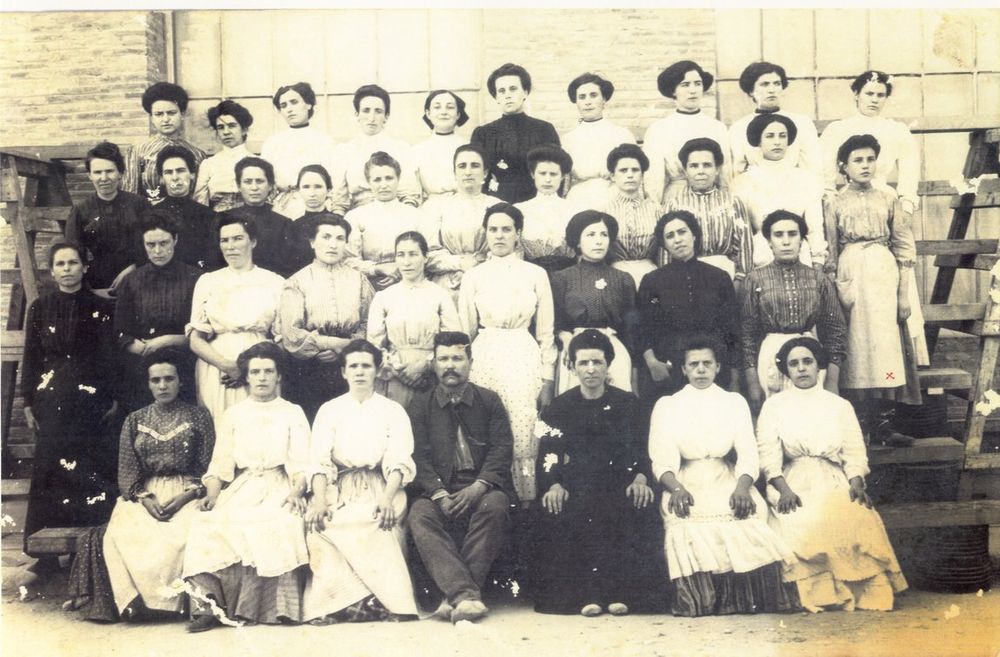
Behind the buildings are the people . The exhibition recreates the daily life of working-class families: home, work, school, the cooperative, the theater, and celebrations.
It was a community with social capital —literacy, mutual aid societies, choirs, neighborhood ties—and, at the same time, a life heavily controlled by the company . The exhibition doesn't hide this duality: well-being and control coexisted in the same town.
What was dreamed
The finished church
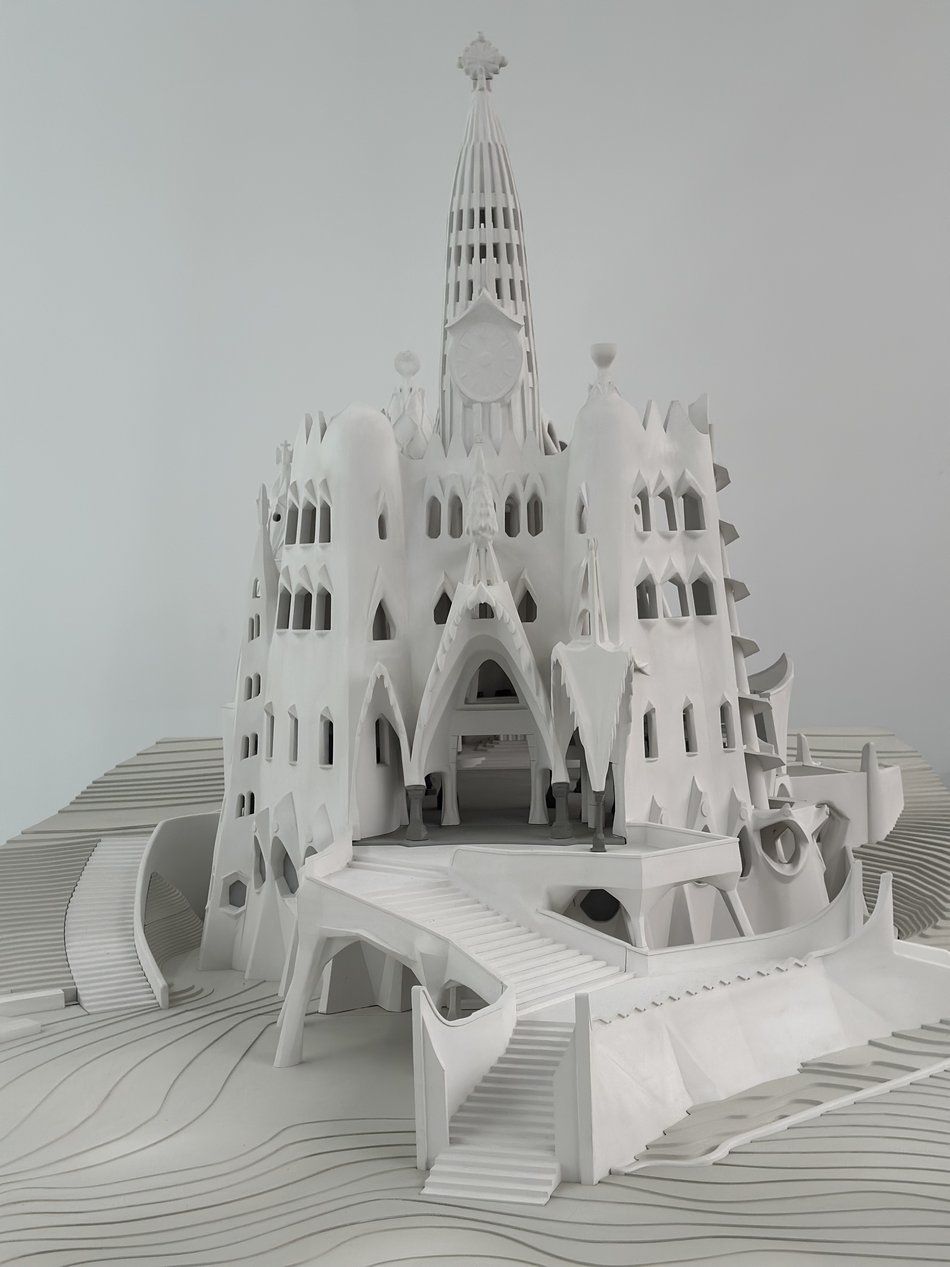
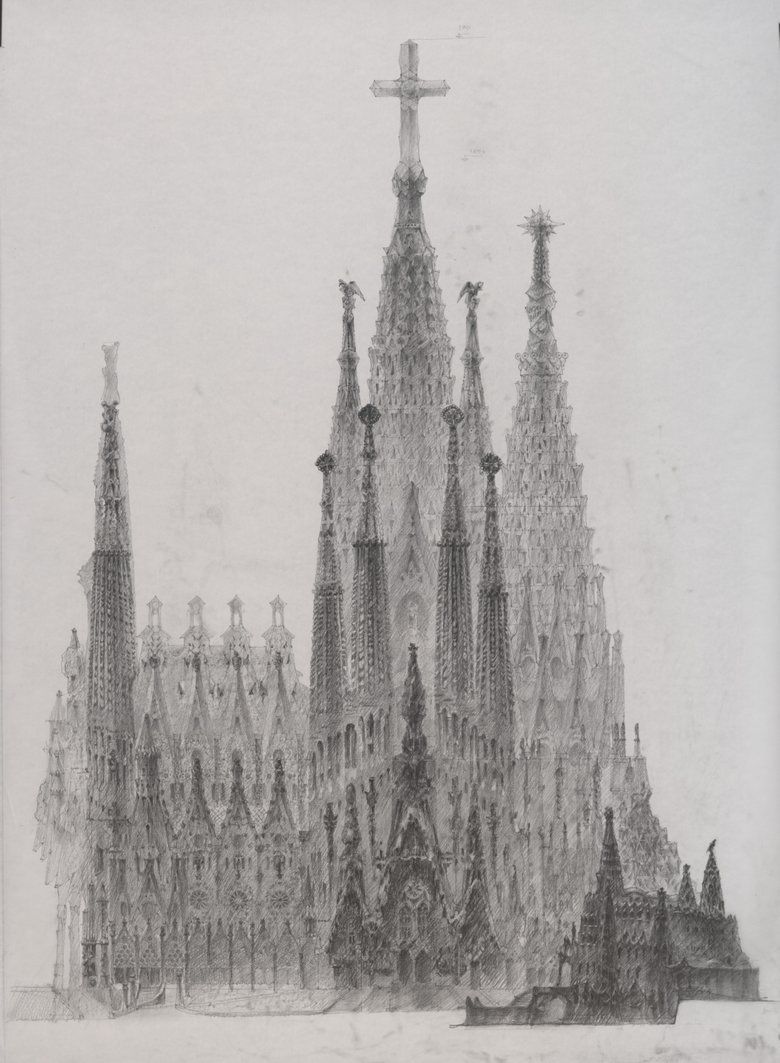
Gaudí only managed to build the lower nave of the church, what we now call the Crypt . The exhibition allows us to imagine the complete church : the polyfunicular model hanging from the ceiling, the models from the University of Innsbruck , and the watercolors and drawings of the project.
With these pieces, what was never built—naves, towers, and a dome about forty meters high—is reconstructed, and it becomes clear why the Crypt was the laboratory from the Sagrada Família.
Start here
The permanent exhibition, in the old cooperative building, is the best starting point for understanding the Colònia Güell and the Gaudí Crypt before visiting them.
Tickets →Want to know what our visitors think?
"A hidden gem by Gaudí, quieter than the Sagrada FamíliaThe audio guide was excellent.
«Gaudí의 걸작. 조웩하고 아름다운 공간. ""
"Impressive and very well explained. By train, 20 minutes from Plaça Espanya."
«A hidden Gaudí gem — breathtaking crypt, charming village.»
«素晴らしいGaudíの作品。静かで見応えがあります。»
«Absolutely worth the short train ride from Barcelona.»